Mine does it every single morning, usually right before my alarm goes off, and for years I just shrugged and figured it was a weird cat thing. It’s not random at all. If you’ve ever wondered why does my cat lick my face, the answer usually comes down to trust, scent, attention, curiosity, or occasionally stress — and once you know which one fits your cat, the whole behavior stops feeling strange.
Quick rundown of why does my cat lick my face in most households:
- Affection and trust
- Marking you with their scent
- Trying to get your attention
- Checking out how your skin or lotion tastes
- Working through stress or a change at home
Six Reasons Cats Lick Your Face
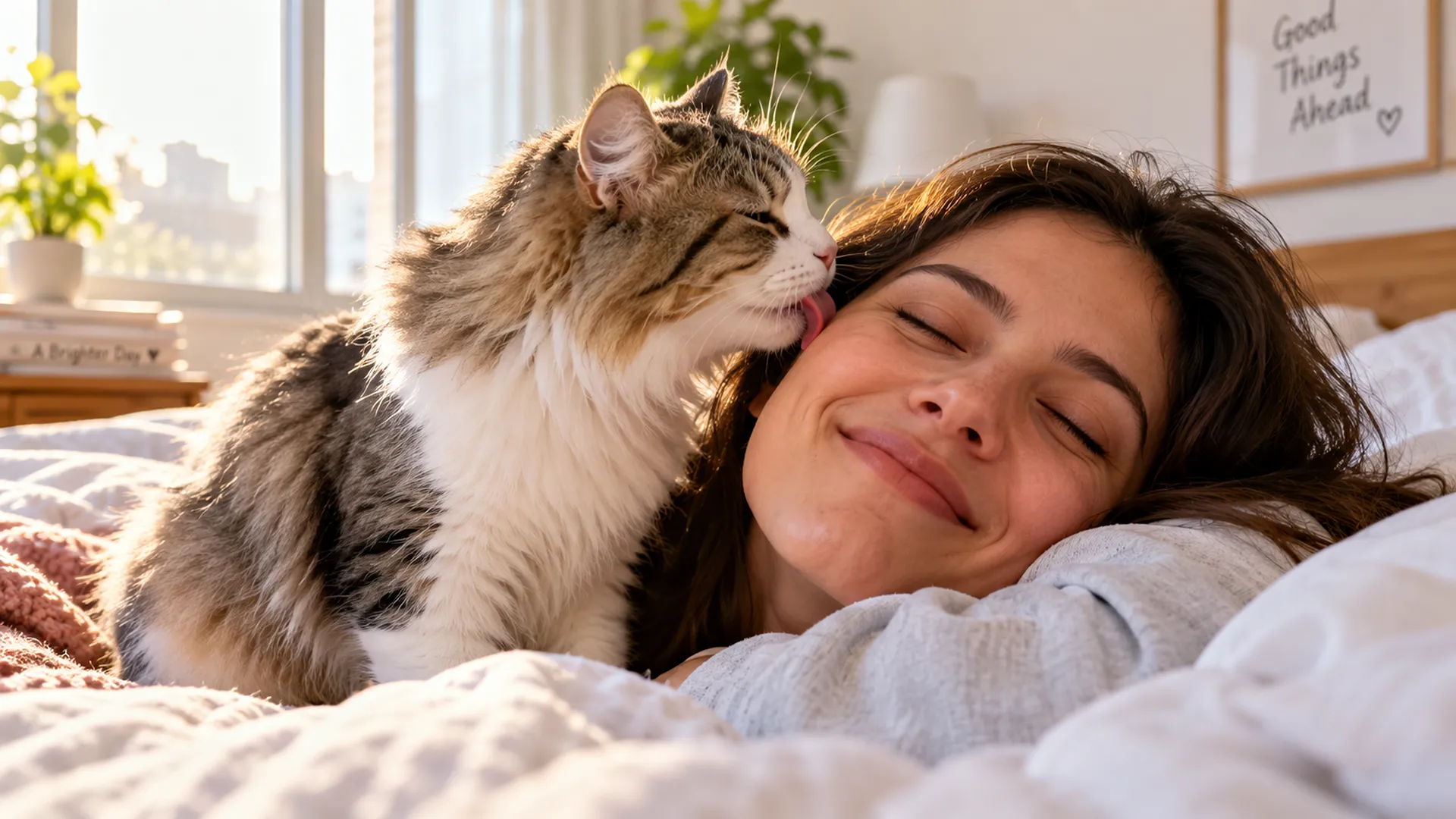
Affection. This tops the list, and it’s usually the first thing people ask about when they wonder why does my cat lick my face. Cats in a colony groom each other constantly to stay bonded, and when your cat licks you, they’re putting you in that same circle. They’re not cleaning you — there’s nothing to clean. It’s a trust signal, and if your cat only does this with you and nobody else, that’s worth something.
Scent-marking. This explains a lot of it too. Cats lean on smell more than any other sense, so one answer to why does my cat lick my face is simply that licking is how they leave their mark on you. Cats that live together build a shared scent through mutual grooming — it’s basically how they say “you belong here.” Your cat licking your face is the same move, just aimed at one person.
Attention-seeking. Sometimes a cat licks you because it works. You react, you laugh, you start petting them, and cats are quick learners when it comes to what gets a response. If you’ve noticed your cat doing this more when you’re distracted, that’s part of why does my cat lick my face when I’m on my phone or busy — it’s a bid for focus.
Taste curiosity. This plays a role I don’t think people expect. Skin holds onto salt from sweat, plus whatever lotion or sunscreen you put on that morning, and cats notice. Most of the time it’s harmless curiosity behind why does my cat lick my face, but some skincare ingredients genuinely aren’t safe if a cat swallows them, so I wouldn’t encourage this one even if it looks cute.
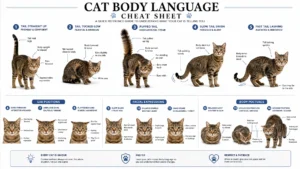
Stress and self-soothing. This looks different once you’re paying attention. A move, a new pet in the house, any disruption to routine can push a cat toward more licking than usual, which is another version of why does my cat lick my face that owners often miss. The tell is in the body language — calm, affectionate licking doesn’t resemble the tense, repetitive kind at all.
Leftover nursing instinct. Kittens knead and suckle while nursing, and some of them, especially ones weaned too early, carry that habit into adulthood. If your cat’s purring and kneading while licking you, that’s probably your answer to why does my cat lick my face in that specific moment.
Why Does My Cat Lick My Face at Night?
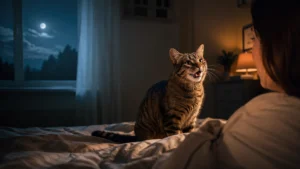
This is the version of the question I get asked most, and there’s a genuine reason behind it. Cats are built to be active at dawn and dusk, which means the middle of the night is basically their prime time — whether you’re asleep or not. So if you’re specifically asking why does my cat lick my face at 2 a.m., it’s usually them telling you they’re hungry, bored, or just want you to notice them.
There’s also a learned habit tangled up in this. If licking has ever gotten you out of bed to feed them, your cat has connected those dots. Lick, you stir, breakfast shows up. That loop sticks fast once it forms, and it’s a big part of why does my cat lick my face specifically before feeding times.
If it’s tanking your sleep, try pushing the evening meal a little later in the day. Small change, but it takes the edge off more than you’d expect.
Does Age or Breed Change Why Does My Cat Lick My Face?
Kittens vs. adults. Kittens separated from their mother earlier than they should’ve been sometimes hang onto licking and kneading well into adulthood, which is one age-related reason behind why does my cat lick my face. Grown cats, on the other hand, usually lick out of habit or bonding rather than anything instinctual.
Breed tendencies. This gets brought up a lot — Siamese and Burmese in particular have a reputation for being vocal and physically affectionate, and owners of those breeds ask why does my cat lick my face more often than most. I’d take that with a grain of salt, though. Personality matters more than breed here. Some of the supposedly “aloof” breeds turn out to be the worst offenders in a licking contest.
New cats vs. long-term companions. New cats tend to lick as part of actively building trust in those first few weeks, which explains why does my cat lick my face so much right after adoption. Cats you’ve had for years usually aren’t doing that anymore — it’s just routine by that point, not a trust test.
Why Does a Cat’s Tongue Feel Like Sandpaper?
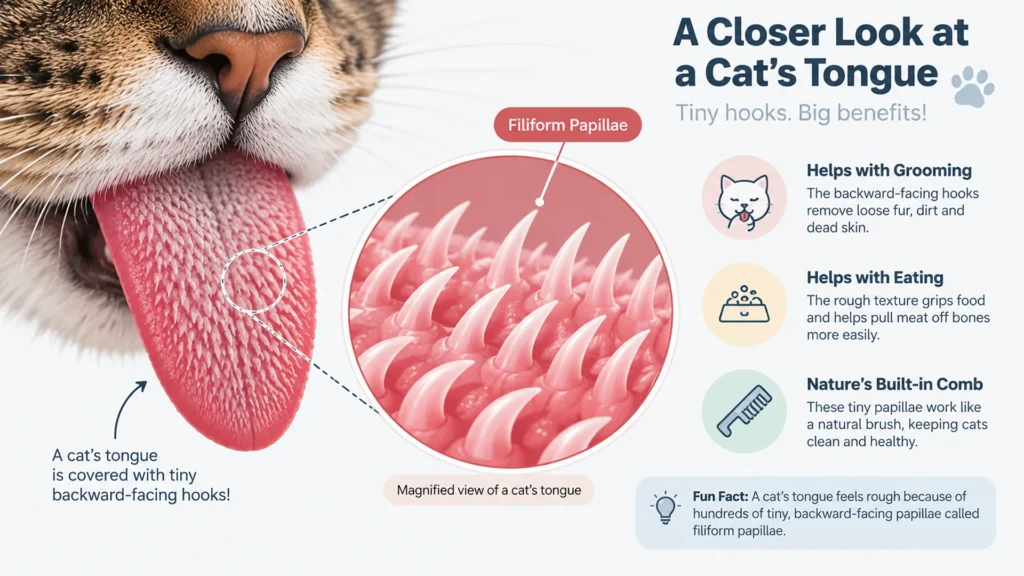
That scratchy texture isn’t your imagination, and it changes how the whole thing feels even after you understand why does my cat lick my face. A cat’s tongue is lined with tiny backward-facing hooks called papillae, made of keratin — same material as their claws and your fingernails, oddly enough.
Those hooks earn their keep in the wild. They strip meat off bone efficiently, and they work like a built-in comb, pulling loose fur out during grooming. It’s a clever bit of design, honestly.
It also explains why repeated licking in one spot starts to sting after a while. Those hooks aren’t gentle, and the friction adds up the longer they focus on one area.
Is It Safe to Let Your Cat Lick Your Face?
For most healthy cats and people, occasional licking isn’t a big deal, even if you’re still curious about why does my cat lick my face so often. A cat’s mouth does carry bacteria, so keep it away from your eyes, mouth, and any open cuts — basic common sense.
Worth thinking about what’s on your skin, too. Lotion, sunscreen, and some skincare products can be harmful if a cat licks it off and swallows enough of it. If you’ve just put something on, redirect your cat elsewhere until it’s soaked in. Not trying to scare you — just a habit worth having.
Normal Licking vs. When to Worry
What normal looks like:
- Occasional, not constant
- Relaxed body language
- Comes with purring or general contentment
- No skin irritation, hair loss, or sores
What’s worth watching:
- Compulsive licking stuck on one spot
- Bald patches or thinning fur
- A sudden increase with no clear cause
- Licking things that aren’t food — fabric, plastic
- Sudden shifts in behavior or appetite
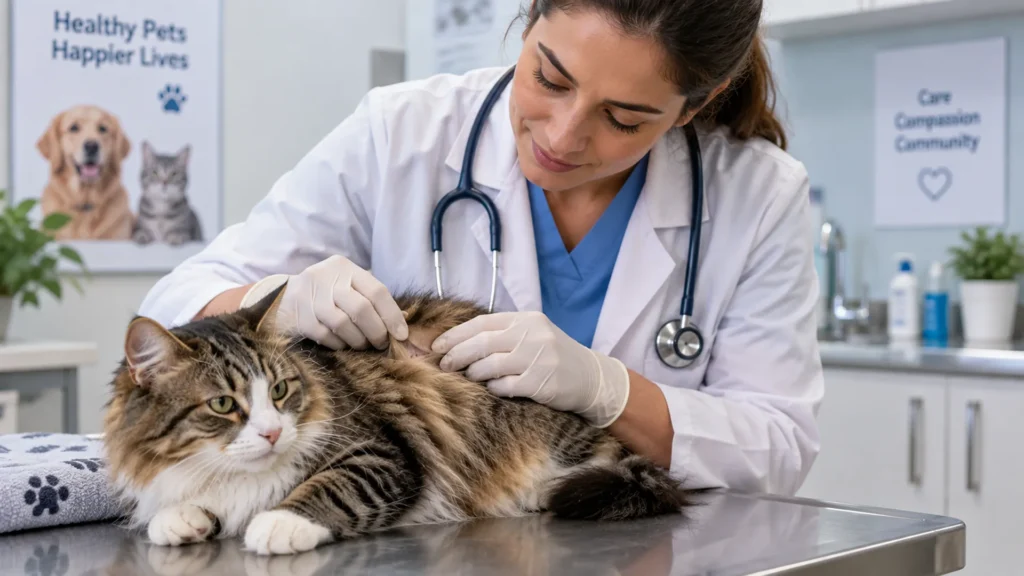
If your cat seems unable to stop licking, has visible skin damage, or the frequency spikes out of nowhere paired with low energy or appetite changes, get them checked out. At that point, why does my cat lick my face stops being a cute question and becomes a vet question. I’d much rather a reader take their cat in and hear “it’s nothing” than sit on a compulsive habit for months and end up with an open sore.
How to Redirect Face-Licking Without Breaking Trust
If it’s getting to be too much, redirect instead of punishing. Yelling, spraying water, or pushing your cat away damages the trust you’re trying to protect, and it usually makes anxious licking worse rather than better.
A better move: the second licking starts, hand them a toy or point them toward a scratching post so their attention shifts somewhere just as satisfying. Timing is everything here — redirect early, not after they’re five minutes into it.
Building a replacement ritual helps too. If attention is what they’re after, set up a consistent petting routine or a short play session at the same time daily. Give them another dependable way to connect that doesn’t involve your face, which naturally cuts down on how often you’re asking why does my cat lick my face in the first place.
What Cat Owners Actually Notice
Talk to enough cat owners and the same patterns keep coming up. Licking spikes right around feeding time, like clockwork. It also ramps up after you’ve been gone a few hours, almost like the cat’s re-establishing the connection — another common answer to why does my cat lick my face after a long day out. And there’s always that one cat who only ever licks a beard, or one patch of hair, or a single hand — nothing else counts. Even the “normal” version of this behavior has its own quirks.
FAQ: Why Does My Cat Lick My Face
Does my cat licking my face mean they love me?
Most of the time, yes. It’s one of the clearer signs of trust in cats, and it’s the most common answer people get when they ask why does my cat lick my face, especially when it’s calm and doesn’t happen constantly.
Why does my cat lick me and then bite me?
Usually overstimulation. Cats have a limit on how much contact they want in one sitting, and a soft bite after licking is often their way of saying they’ve hit it.
Why does my cat only lick me and not other people?
Comes down to trust. If you’re the person they feel safest around, you’re the one who gets this, which is a big piece of why does my cat lick my face and not my roommate’s.
Should I stop my cat from licking my face?
Not necessarily, as long as it’s occasional and not causing skin issues. If you’d rather it stopped, redirection works a lot better than punishment.
The Bottom Line
At the end of the day, why does my cat lick my face comes down to one simple thing: your cat is telling you that you’re part of their world — trusted, familiar, worth a slightly rough kiss now and then. Want to understand more of what your cat’s behavior is telling you? Our guides on grooming habits and kitten bonding go deeper into it.