
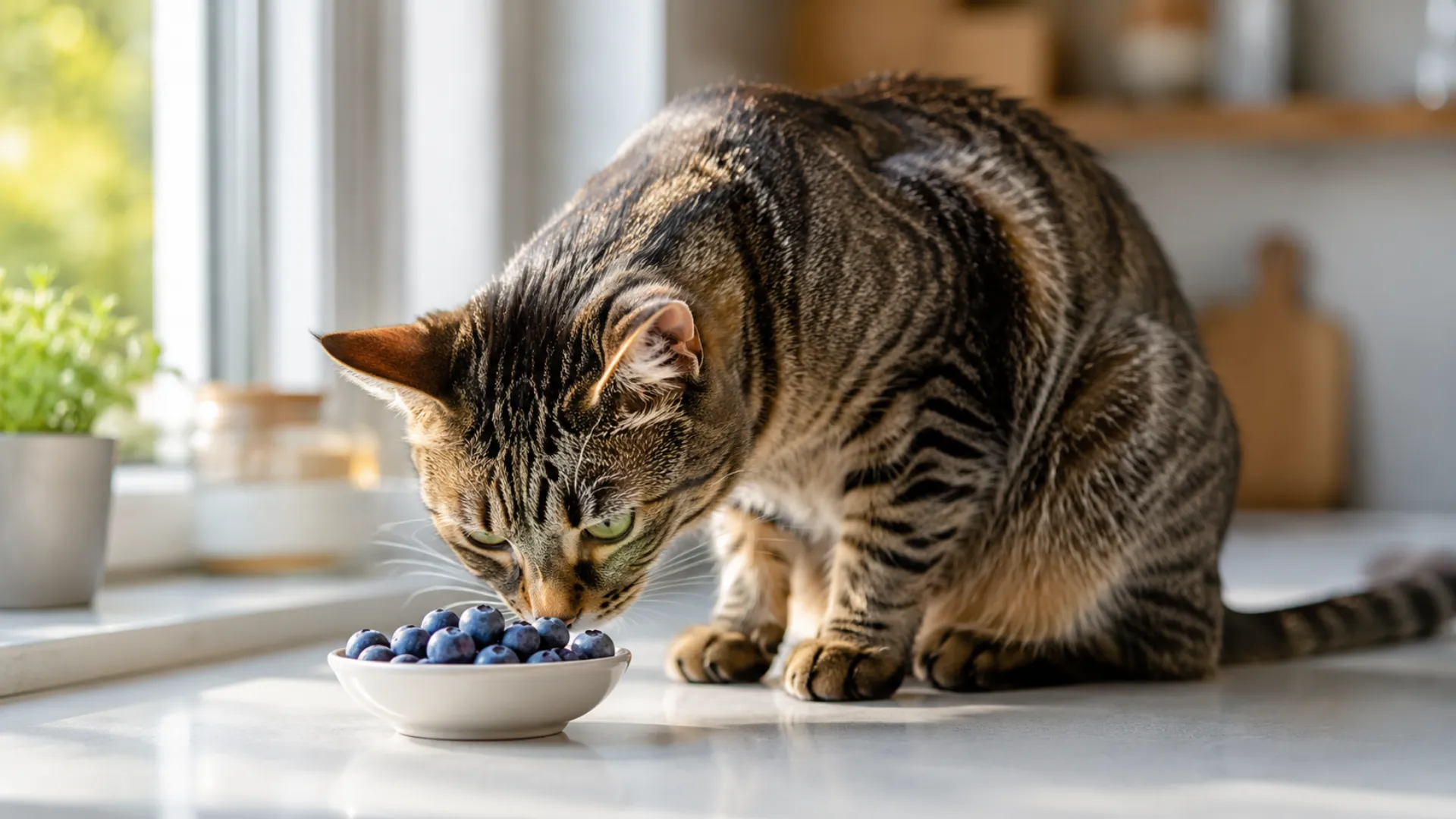
Yes, cats can eat blueberries, and in small amounts, they’re generally considered a safe treat. These little berries aren’t toxic to cats, but that doesn’t mean they belong in your cat’s daily bowl. Cats are obligate carnivores, so their bodies are built to thrive on meat, not fruit. In this guide, we’ll walk through the benefits, potential risks, safe serving sizes, and how to offer blueberries the right way—so you can make an informed choice for your feline friend.
Can Cats Eat Blueberries? (Quick Answer)
Yes, cats can eat blueberries, and they’re generally safe when given in moderation. Blueberries are non-toxic to cats, so a bite or two won’t harm your feline friend. That said, they should only be offered as an occasional treat, not a regular part of your cat’s diet. Remember, cats are obligate carnivores, meaning their bodies are built to thrive on animal protein. Blueberries don’t offer anything nutritionally essential, so they’re best viewed as a fun extra rather than a diet staple.
Are Blueberries Safe for Cats?
Yes, blueberries are considered a safe fruit for cats, but only in small amounts and every once in a while.
Why Cats Can Eat Blueberries
- They aren’t toxic to cats, so there’s no danger if your cat sneaks a taste.
- They’re naturally low in calories, making them a lighter option compared to many store-bought treats.
- Their high water content can offer a small hydration boost.
- In small quantities, they’re easy for most cats to digest without trouble.
Why Blueberries Should Only Be an Occasional Treat Cats are obligate carnivores, which means they get almost everything their bodies need from animal protein, not plants. Blueberries can’t replace that. Fruits, including blueberries, should only ever make up a tiny portion of your cat’s overall diet.
Nutritional Benefits of Blueberries for Cats
While blueberries aren’t a nutritional necessity for cats, they do offer a few small perks when given in moderation.
Antioxidants Blueberries contain antioxidants that may help protect cells from oxidative stress.
Vitamins and Minerals They also contain small amounts of:
- Vitamin C
- Vitamin K
- Manganese
Fiber and Hydration The fiber in blueberries can support normal digestion, and their water content may contribute a little extra hydration.
It’s worth remembering that none of these benefits mean blueberries should replace a balanced, complete cat food. They’re simply a small bonus on top of a proper diet, not a substitute for one.
Potential Risks of Feeding Blueberries to Cats
Even though blueberries are generally safe, there are a few risks to keep in mind.
Digestive Upset Eating too many blueberries at once can lead to vomiting, diarrhea, or general stomach discomfort.
Natural Sugar Content Blueberries contain natural sugar, so overfeeding them can add unnecessary calories to your cat’s diet.
Choking Hazard Whole blueberries can be tricky for some cats to chew properly, especially smaller cats or those who tend to gulp their food.
Rare Food Sensitivities Some cats may have a sensitivity or mild allergic reaction to blueberries. Watch for symptoms like itching, swelling, or unusual digestive upset after feeding.
How Many Blueberries Can Cats Eat?
Portion size matters. Here’s a simple guide:
| Cat Type | Recommended Amount |
|---|---|
| Kitten | Avoid unless approved by a veterinarian; if offered, only a tiny piece |
| Adult Cat | 1–2 blueberries occasionally |
| Large Adult Cat | Up to 2–3 blueberries occasionally |
As a general rule, blueberries should be offered no more than once or twice a week, not as a daily treat.
How to Feed Blueberries to Your Cat Safely

Wash Thoroughly Rinse blueberries well to remove dirt and any pesticide residue before offering them to your cat.
Serve Fresh or Thawed Fresh blueberries are the best option. If you’re using frozen ones, let them thaw first so they’re easier to chew.
Cut if Necessary For smaller cats or those prone to gulping food, cutting the blueberries in half can reduce the choking risk.
Avoid Processed Blueberries Never feed your cat blueberry pie, muffins, jam, syrup, sweetened yogurt with blueberries, or dried blueberries with added sweeteners. These often contain sugar, fat, or ingredients that aren’t safe for cats.
Can Kittens Eat Blueberries?
Kittens have more sensitive digestive systems than adult cats, so it’s best to be cautious. Their diet should mostly consist of complete kitten food formulated to support their growth. If you do want to try introducing blueberries, offer only a very small amount, and check with your veterinarian first.
What If My Cat Eats Too Many Blueberries?
If your cat overindulges, watch for symptoms like vomiting, loose stools, reduced appetite, or lethargy. Mild symptoms can usually be monitored at home. However, if symptoms are severe, don’t go away, or your cat has an underlying health condition, contact your veterinarian right away.
Safe Fruits Cats Can Eat
Besides blueberries, a few other fruits are generally safe for cats in small amounts:
- Strawberries
- Seedless watermelon
- Banana
- Apple (without seeds)
- Cantaloupe
As with blueberries, these should always be given as occasional treats, not a regular part of your cat’s diet.
Fruits Cats Should Avoid
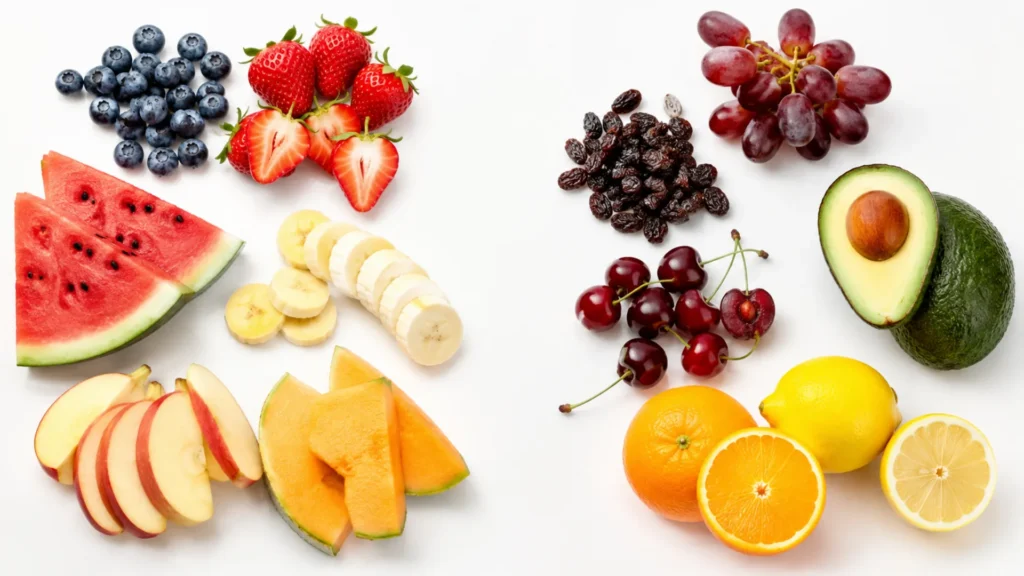
Some fruits can be harmful to cats and should never be fed:
- Grapes
- Raisins
- Cherries
- Citrus fruits
- Avocado
These can cause anything from digestive upset to more serious toxic reactions, so it’s best to keep them well out of reach.
Frequently Asked Questions
Can cats eat frozen blueberries?
Yes, but it’s best to thaw them first so they’re softer and easier to chew.
Can cats eat dried blueberries?
Plain dried blueberries in tiny amounts are generally fine, but avoid any with added sugar or sweeteners.
Can diabetic cats eat blueberries?
Because of their natural sugar content, it’s best to check with your veterinarian before offering blueberries to a diabetic cat.
Why doesn’t my cat like blueberries?
Cats lack the taste receptors for sweetness, so many simply aren’t interested in fruit at all. That’s completely normal.
Final Verdict
Blueberries are safe for cats when given in moderation. Stick to small portions as an occasional treat, and always prioritize a complete, meat-based diet. When trying any new food, introduce it gradually and keep an eye out for digestive issues.